Nutrition Essentials: How to Build a Healthy Diet for All Ages
Good nutrition is the foundation of a healthy, energetic, and fulfilling life. Whether you are a child, adult, or senior, proper eating habits fuel growth, support organ function, strengthen the immune system, and prevent chronic diseases.
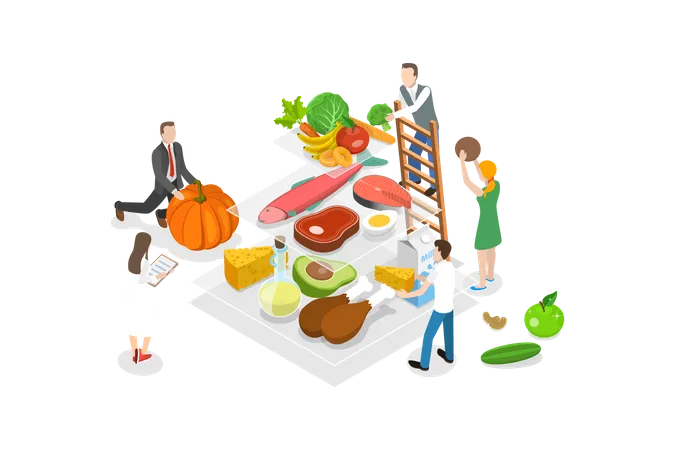
In this guide, we'll explore the basics of balanced nutrition, key nutrients you need, and practical tips for building and maintaining a healthy diet for every stage of life.
1. Understanding the Basics of Nutrition
Nutrition involves providing the body with the right nutrients in the correct amounts:
Macronutrients: Carbohydrates, proteins, and fats, which supply energy.
Micronutrients: Vitamins and minerals, essential for various bodily functions.
Water: Vital for digestion, temperature regulation, and cellular processes.
Balancing these elements ensures optimal health and prevents nutrient deficiencies.
2. The Components of a Healthy Diet
A balanced diet should include:
Fruits and Vegetables: Rich in vitamins, fiber, and antioxidants.
Whole Grains: Sources of energy and fiber (e.g., oats, brown rice, quinoa).
Lean Proteins: Essential for muscle repair and immune function (e.g., poultry, fish, beans).
Healthy Fats: Important for brain health and hormone production (e.g., avocado, olive oil, nuts).
Dairy or Alternatives: Provide calcium and vitamin D for bone health.
Portion control and food variety are also critical for covering all nutritional needs.
3. Nutrition at Different Life Stages
Each stage of life comes with unique nutritional demands:
Infants and Toddlers: Breast milk, formula, and the gradual introduction of solids.
Children and Teenagers: High demand for protein, calcium, and iron to support rapid growth.
Adults: Focus on heart health, muscle maintenance, and disease prevention.
Seniors: Emphasize nutrient-dense foods, adequate hydration, and bone protection.
Adapting your diet to your age helps optimize health across the lifespan.
4. Key Nutrients to Focus On
No matter your age, certain nutrients are particularly important:
Folic Acid: Crucial for women of childbearing age.
Iron: Prevents anemia and supports energy levels.
Calcium and Vitamin D: Maintain strong bones.
Fiber: Supports digestion and reduces the risk of chronic diseases.
Omega-3 Fatty Acids: Promote brain and heart health.
Supplements can help fill gaps, but food sources are the preferred method.
5. Healthy Eating Habits
Good habits make healthy eating sustainable:
Plan meals in advance to avoid unhealthy choices.
Read food labels carefully to identify hidden sugars and unhealthy fats.
Practice mindful eating: focus on hunger cues and eat without distractions.
Stay hydrated — sometimes thirst is mistaken for hunger.
Small daily choices create lasting health improvements.
6. Common Nutrition Myths
It’s important to separate fact from fiction:
Myth: All fats are bad.
Truth: Healthy fats are essential for health.
Myth: Carbs cause weight gain.
Truth: Whole carbs like fruits and grains are beneficial.
Myth: Supplements can replace a healthy diet.
Truth: Supplements fill gaps but can’t substitute real food.
Educating yourself helps make smarter nutrition choices.
7. Seeking Professional Advice
Every person’s nutritional needs are different. If you have dietary restrictions, allergies, chronic conditions, or specific goals like weight loss or muscle gain, consulting a registered dietitian or nutritionist ensures you get personalized advice.
Conclusion
Nutrition is more than just eating — it’s about building a lifelong relationship with food that fuels your body, protects your health, and enhances your quality of life.
By focusing on balanced meals, understanding your body’s needs, and making small consistent changes, you set the stage for a healthier, happier future — at any age.
Nutrition Essentials: How to Build a Healthy Diet for All Ages
Tips & Recommendations
- Eat a variety of colorful fruits and vegetables daily.
- Choose whole grains over refined grains.
- Incorporate lean proteins and healthy fats into every meal.
- Limit processed foods high in sugar, salt, and unhealthy fats.
- Stay hydrated by drinking water throughout the day.
- Practice mindful eating and portion control.
- Adjust your diet to your specific age and health needs.
Find this helpful? Share with other parents!
Related Articles
No related articles found.