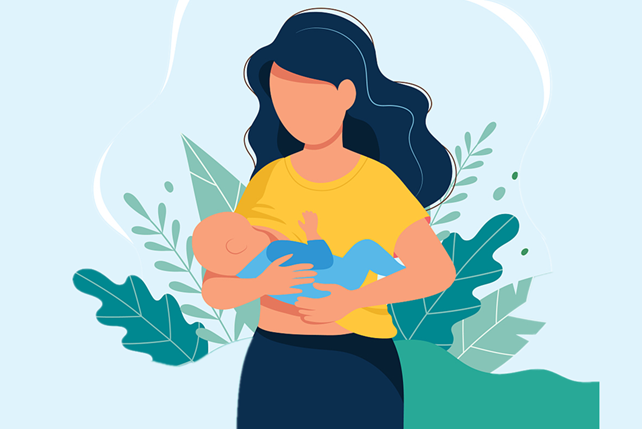
The journey of motherhood begins long before childbirth, but the postpartum period marks a critical transition that requires special attention and care. The first six weeks after delivery, often called the "fourth trimester," brings significant physical and emotional changes as your body recovers from pregnancy and childbirth while you adjust to caring for your newborn.
Physical recovery varies widely among women, influenced by factors such as delivery method, complications during childbirth, and individual health conditions. For those who experienced vaginal births, perineal discomfort, vaginal discharge (lochia), and uterine contractions as the uterus returns to its pre-pregnancy size are common. Cesarean deliveries involve additional recovery from major abdominal surgery, including incision healing and potentially longer-lasting pain.
Regardless of delivery method, hormonal fluctuations significantly impact postpartum recovery. The dramatic drop in estrogen and progesterone levels after childbirth can trigger mood swings and contribute to postpartum blues or more serious postpartum depression. Meanwhile, prolactin levels rise to support breast milk production, which brings its own set of challenges including engorgement, sore nipples, and establishing a breastfeeding routine.
Nutritional needs remain crucial during this recovery period. Your body requires additional calories, especially if breastfeeding, along with adequate protein, calcium, iron, and vitamins. Hydration is equally important, particularly for milk production and overall healing. A balanced diet rich in fruits, vegetables, whole grains, lean proteins, and healthy fats provides the foundation for recovery and sustained energy.
Sleep deprivation presents one of the greatest challenges for new mothers. Fragmented sleep patterns due to newborn feeding schedules can exacerbate fatigue and emotional vulnerability. Strategies such as sleeping when your baby sleeps, sharing nighttime duties with partners when possible, and creating a sleep-conducive environment become essential survival tactics during this period.
Physical activity should be approached with caution but not avoided entirely. Gentle movement like short walks can improve circulation, mood, and energy levels. Most healthcare providers recommend waiting until the six-week postpartum check-up before resuming more vigorous exercise routines, though this timeline may extend for those recovering from cesarean births or complicated deliveries.
Mental health deserves particular attention during postpartum recovery. The "baby blues," characterized by mood swings, anxiety, and tearfulness, affect up to 80% of new mothers within the first two weeks after delivery. These symptoms typically resolve on their own, but when they persist or intensify, they may indicate postpartum depression or anxiety disorders. Creating a support network of healthcare providers, family members, friends, and potentially connecting with other new mothers can provide crucial emotional scaffolding during this vulnerable time.
Self-care often becomes relegated to the bottom of priorities as newborn needs dominate daily routines. However, even small moments dedicated to personal wellbeing can significantly impact recovery and emotional resilience. Simple practices like a five-minute meditation, a warm shower without interruption, or brief outdoor exposure can serve as meaningful reset buttons throughout demanding days.
The relationship dynamics with partners inevitably shift after having a baby. Open communication about expectations, needs, and emotional experiences becomes even more vital during this transition. Scheduling regular check-ins, explicitly discussing the division of responsibilities, and acknowledging the challenges you're both experiencing can strengthen your partnership during this transformative period.
As you navigate postpartum recovery, remember that seeking professional help is a sign of strength, not weakness. Your healthcare provider remains an important resource for addressing physical concerns, while mental health professionals can offer support for emotional difficulties. Many communities also offer postpartum support groups that provide validation and practical advice from others experiencing similar challenges.
The postpartum period eventually gives way to a new normal, though the timeline varies for each woman. Physical recovery milestones often coincide with the six-week check-up, but emotional adjustment and finding balance in your new role may take significantly longer. Approaching this time with patience, self-compassion, and realistic expectations allows space for the natural evolution of your maternal identity.
Postpartum Recovery: A Complete Guide for New Mothers

Tips & Recommendations
- Rest whenever your baby sleeps to combat fatigue
- Accept help from family and friends for household tasks
- Stay hydrated and focus on nutrient-dense foods
- Do gentle postpartum-approved exercises
- Communicate openly with your partner about your needs
Find this helpful? Share with other parents!
Related Articles
.png)